Autopoietic trace2021 - Project on Intensive Differences
together with Gabriel Köferli
Diego Guerra
2026
Manuel DeLanda writes about intensive differences as qualities that cannot be divided without changing what they are. Pain is one of them. You can't split pain in half and have two smaller pains — it belongs entirely to the body that feels it, in that moment, at that intensity. That's what made it interesting to us.
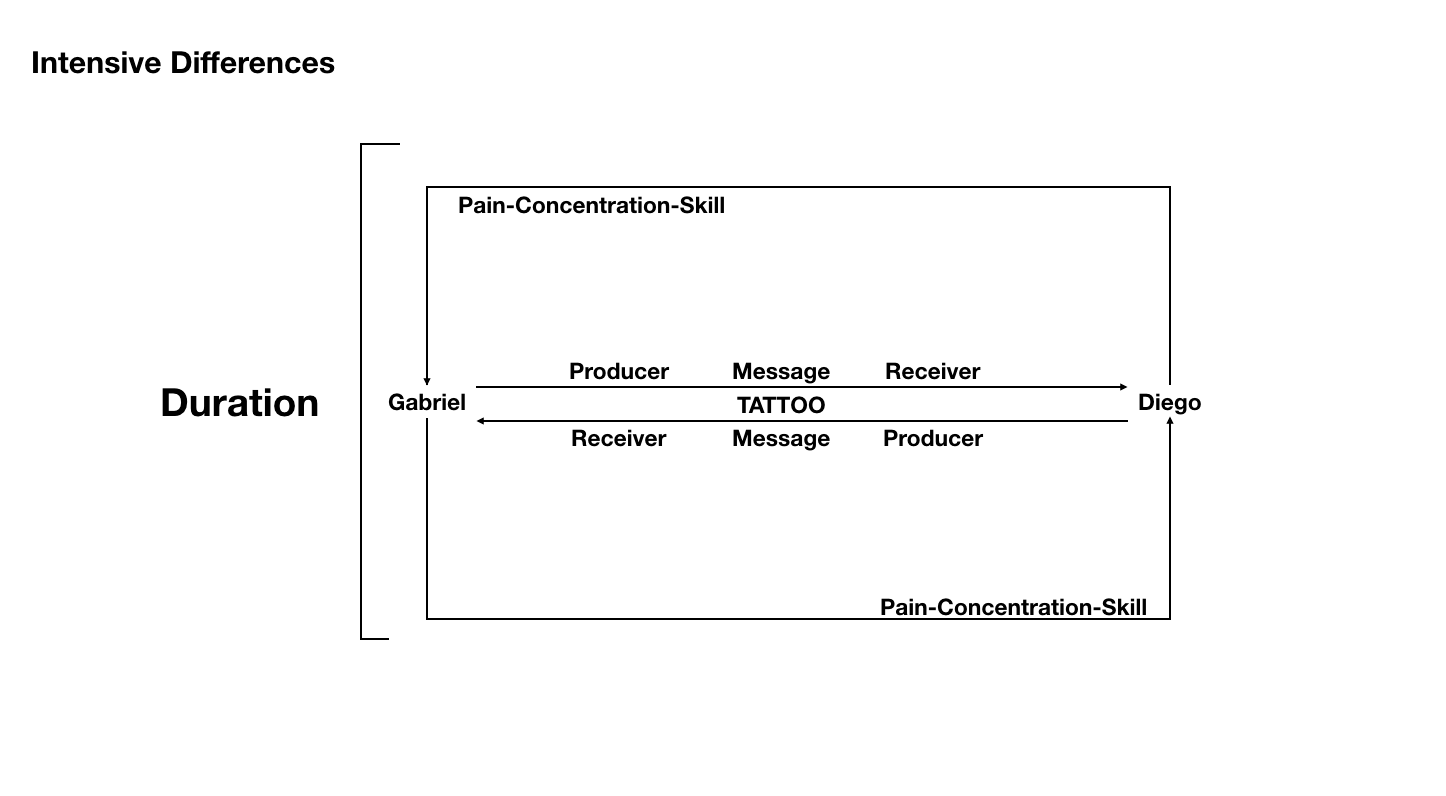
Gabriel Köferli and I started from that and asked: what happens when pain becomes the medium of a message passed between two people at the same time?
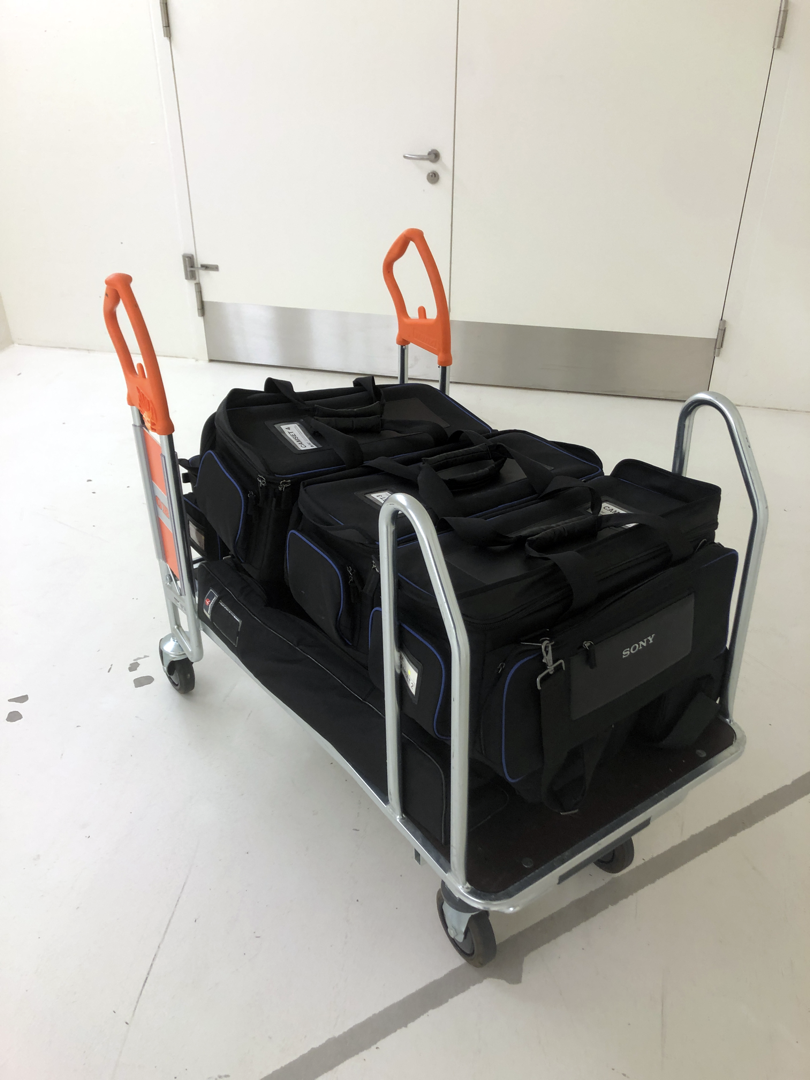
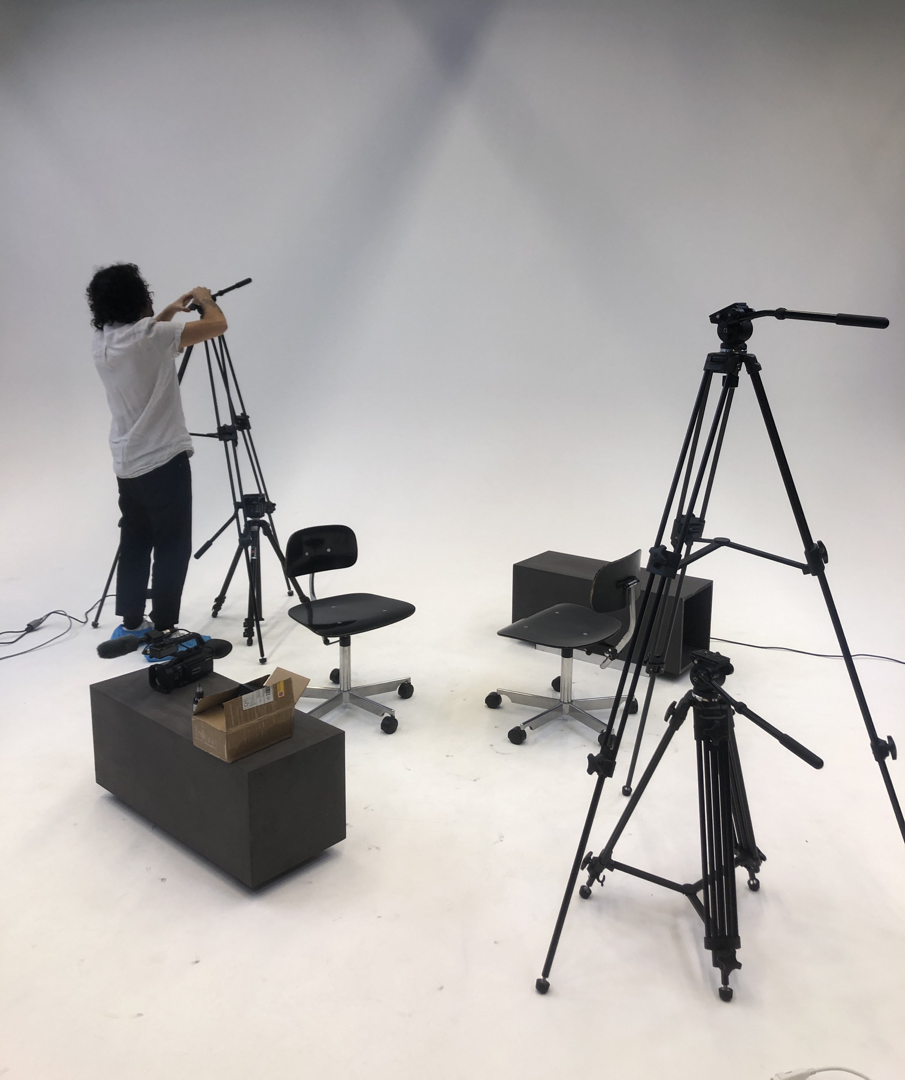
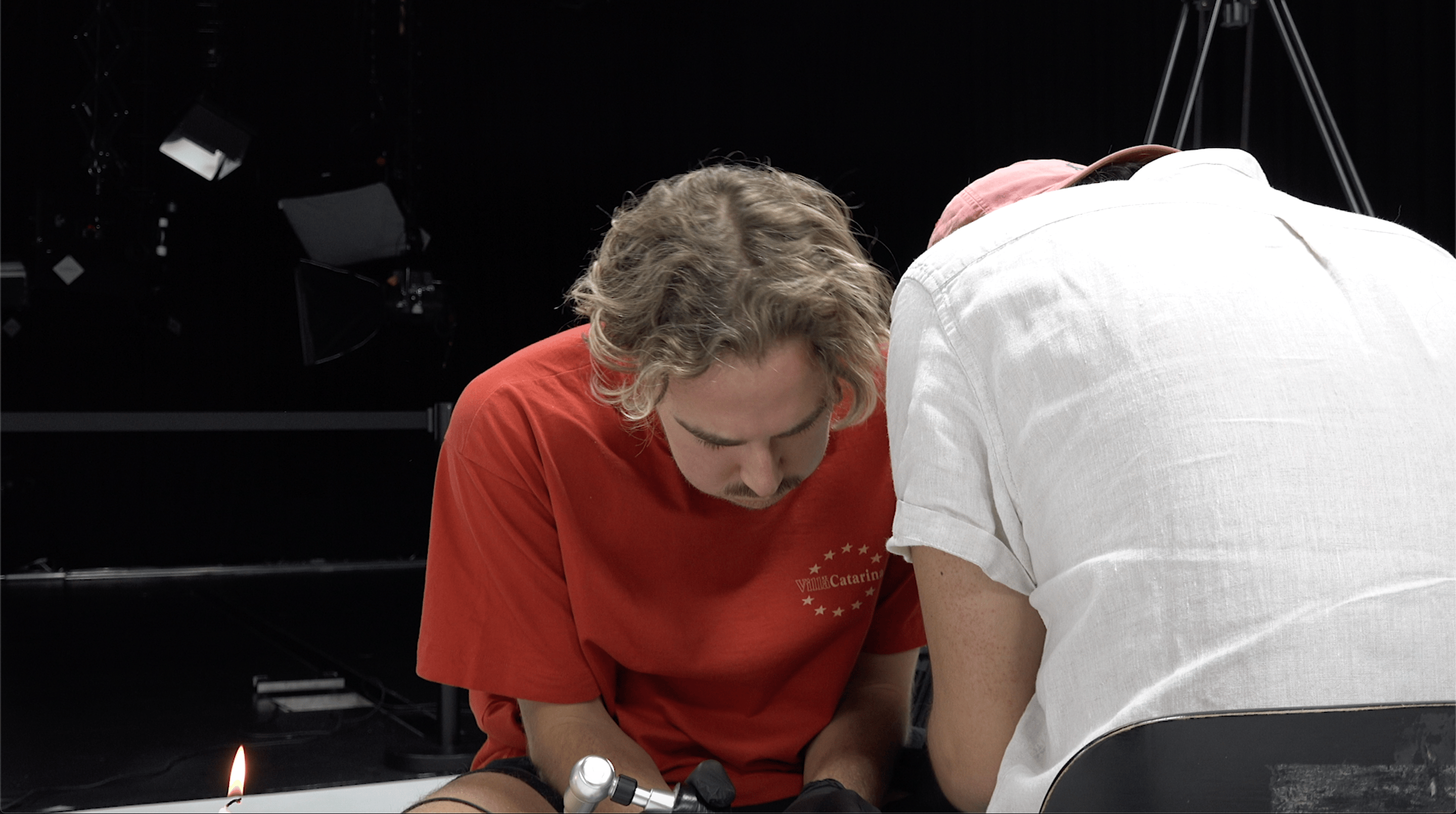
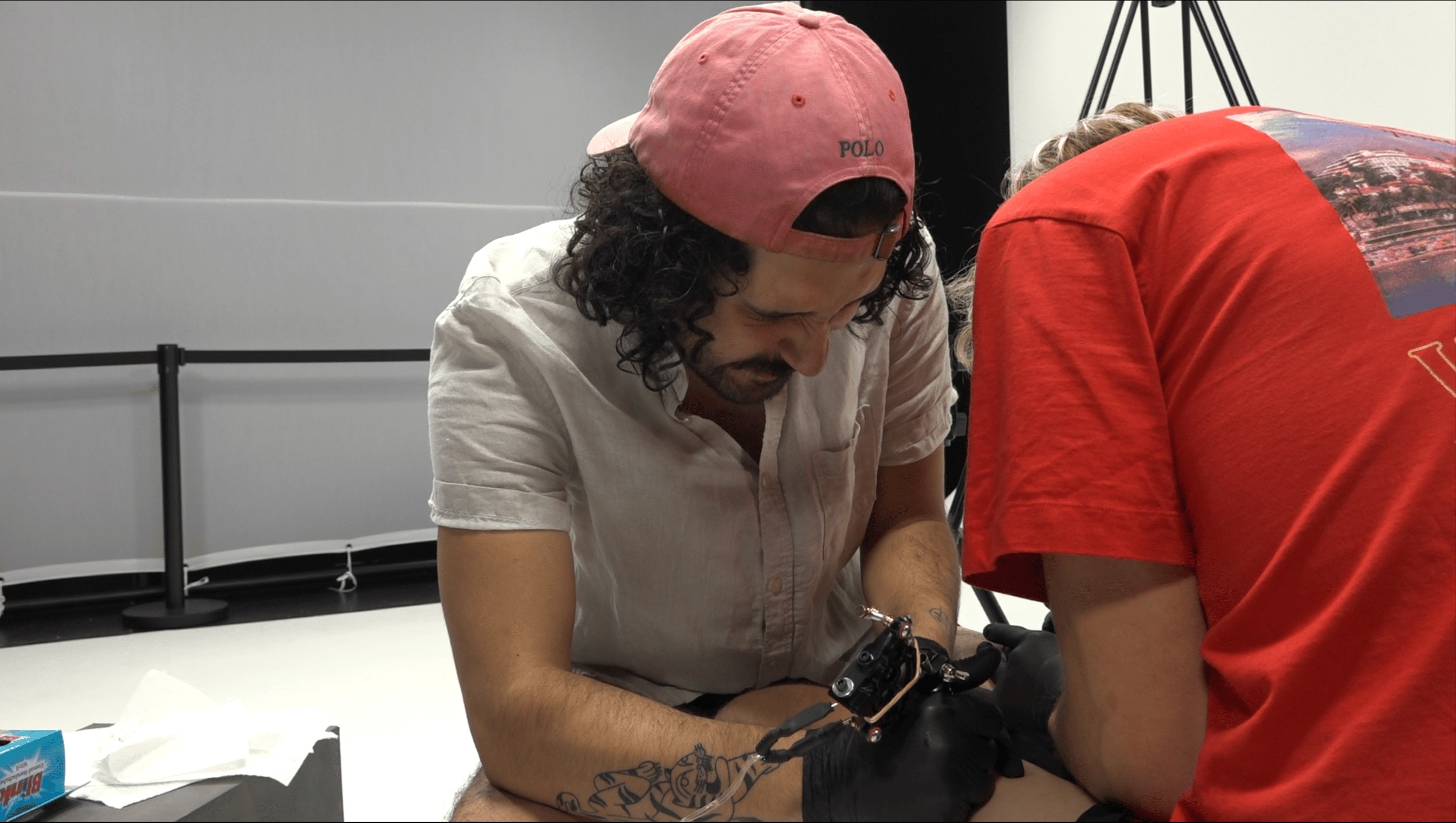
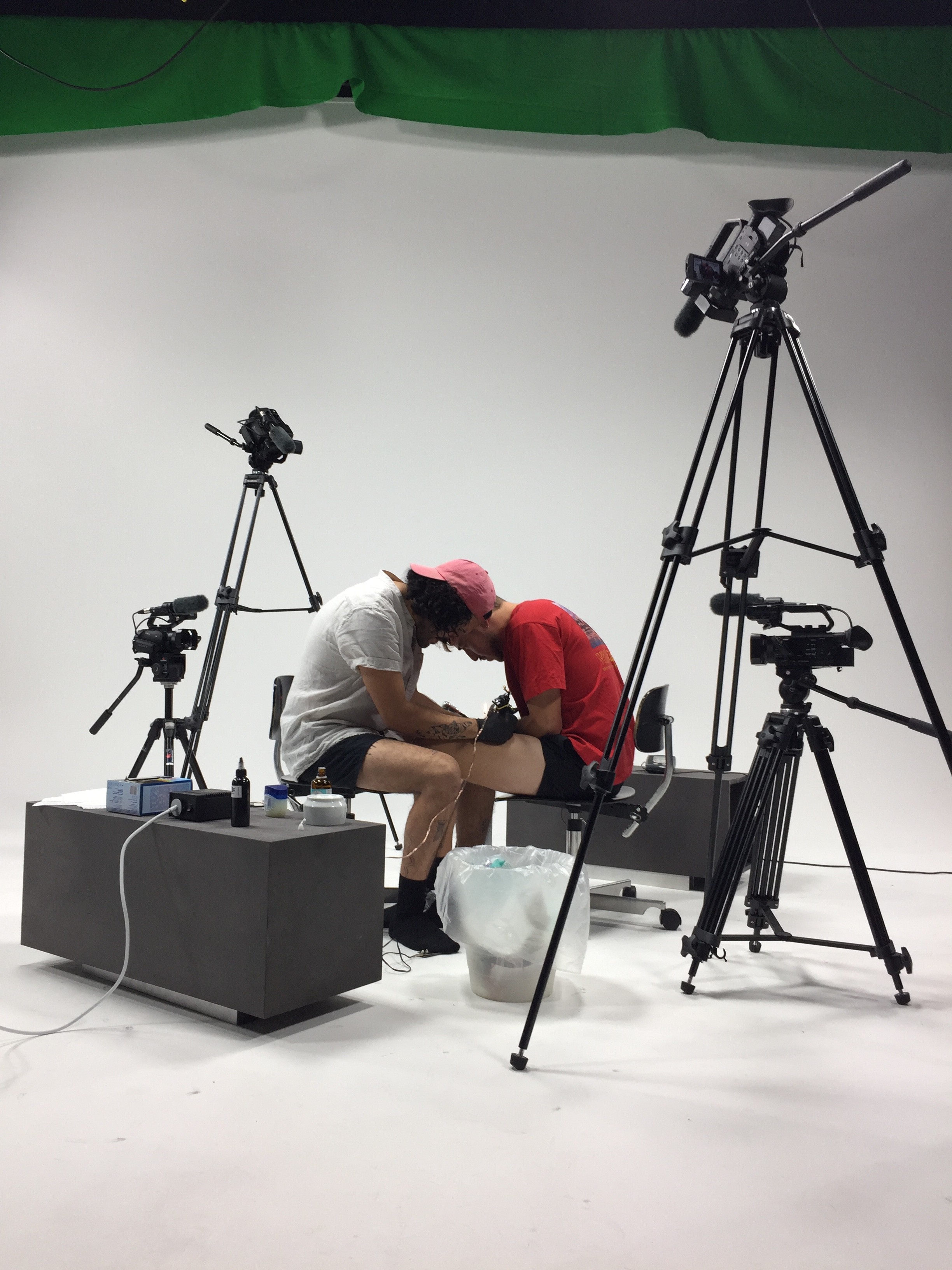
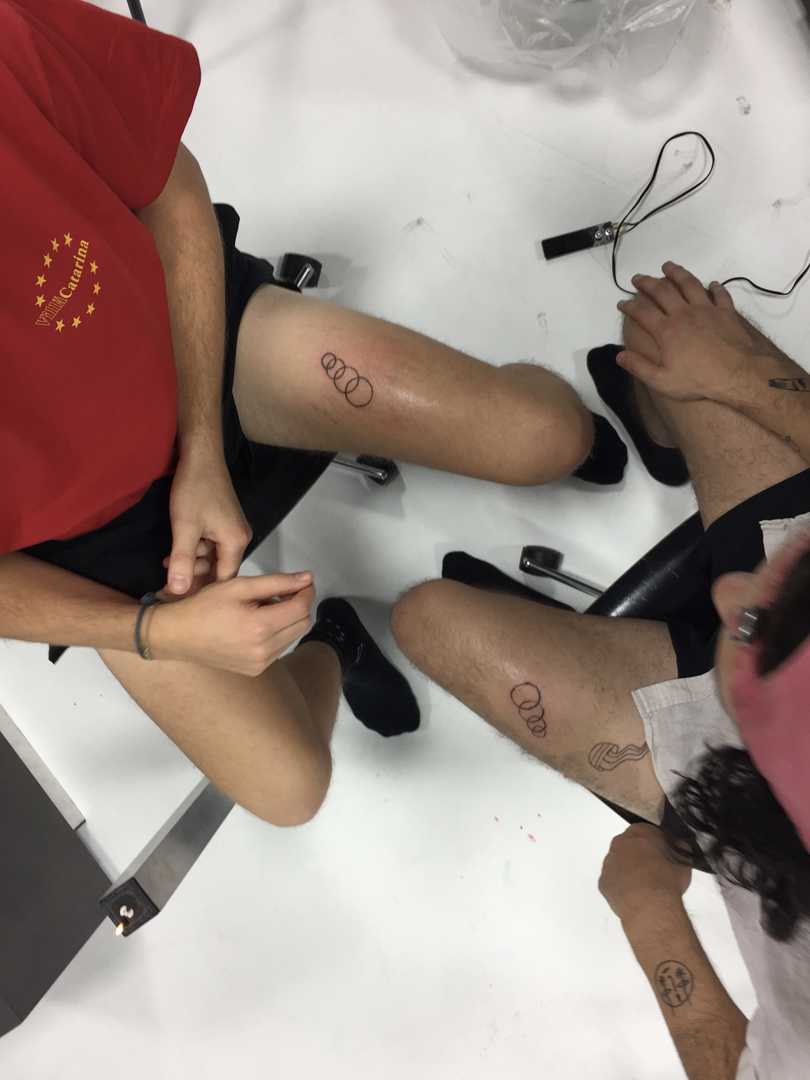
We tattooed each other simultaneously, each following the same stencil on the other's leg. Neither of us had tattooed before. That was part of it — the inexperience kept the process honest, humbly empirical, without the interference of technique covering up what the body was actually doing. Four cameras documented the exchange: one on each tattoo being made, one on each face. The logic was direct: the pain each person felt shaped the steadiness of the hand giving the tattoo to the other. The body receiving was the same body producing.
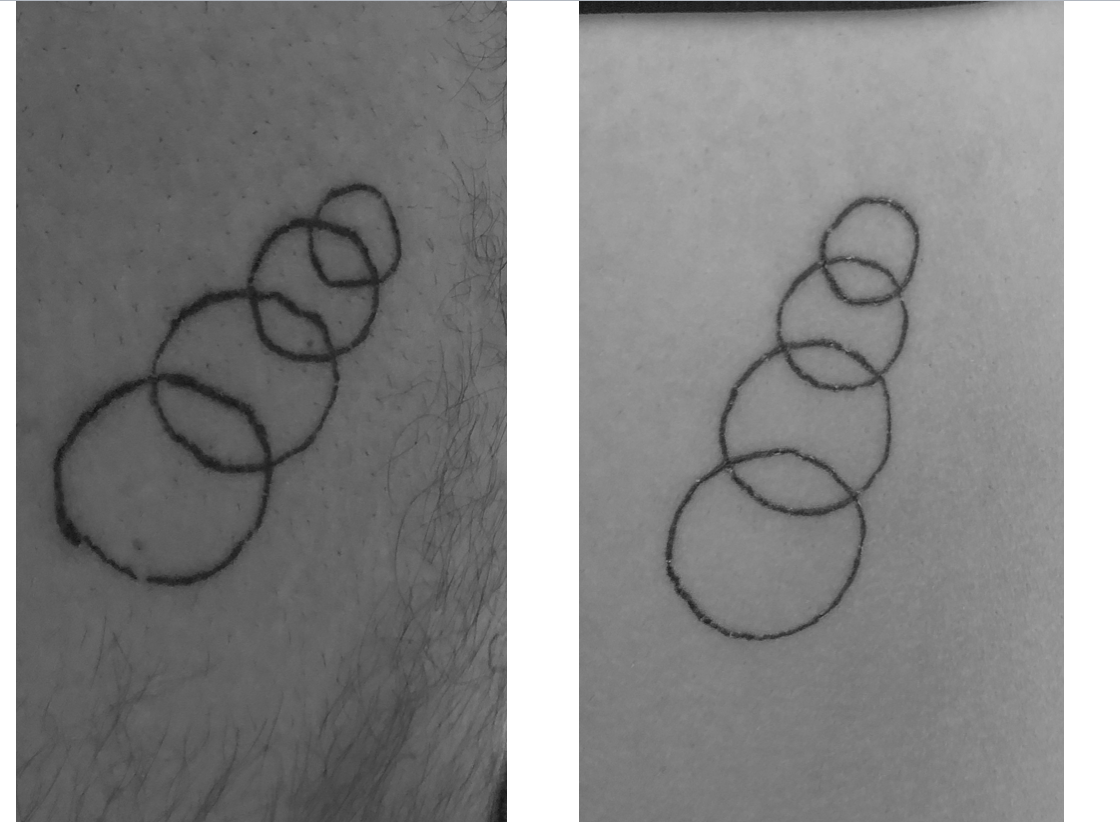
We called it autopoietic trace: a mark produced by the very condition of its own making. The two tattoos came out different. Not dramatically — but honestly different, in a way that reflected what had actually happened between the two bodies in that room.
As an experiment it was inconclusive. What stayed was the question itself: whether a physical, non-transferable experience can leave a legible trace in an object, and what that says about authorship, the body, and the marks we leave on each other.